
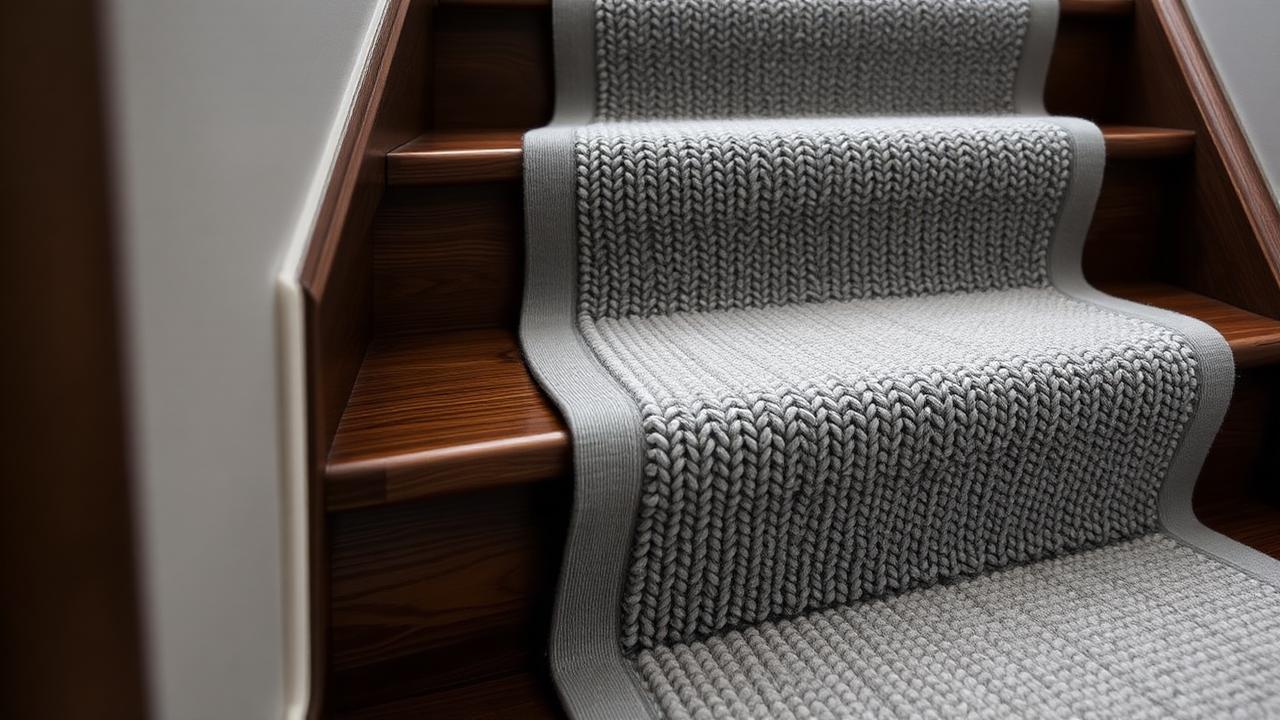
Why it is usually a bad idea
- Safety — two layers of soft floorcovering create a spongy, unstable tread edge and the runner can creep underfoot.
- Wear — the runner cannot be tensioned properly over pile, so the nosing wears through fast.
- Appearance — the runner sits proud, the edges lift, and the outline of the carpet below shows through.
- Height — on the top step the extra build-up can create a genuine trip point at the landing.
The safe default
Lift the old carpet. On stairs it is a two-hour job, it exposes any tread damage while you can still fix it, and it is the difference between a runner that lasts fifteen years and one that lasts three.
When it can work
There are narrow cases where laying over the existing carpet is defensible: a very low-pile, tightly bonded contract carpet that is firmly fixed and in good condition; a short-term rental where you cannot alter the fabric of the property; or a temporary protective runner during building work.
How to do it as safely as possible
- Confirm the carpet below is low pile, firmly fixed and not loose anywhere.
- Choose a thin, low-pile runner — never a thick or high-pile one.
- Do not add underlay; the carpet beneath is already your cushioning.
- Staple through both layers into the crease, using longer staples than usual.
- Fix the nosing on every step, not just the crease.
- Check the top step for a trip hazard and address it before you finish.
What about non-slip stair treads instead?
If the goal is grip or protection rather than looks, individual stair tread pads are a better answer over existing carpet. They add no continuous length to trip on, come with adhesive backings designed for the job, and can be lifted individually to clean.
Checking whether your existing carpet is suitable
- Lift a corner at the top step and check the pile height and backing condition.
- Press firmly on a few treads to feel for softness or give, which signals rotten gripper or damp below.
- Check for a musty smell, a sign of trapped moisture that fitting over will only make worse.
- Measure the combined nosing build-up with both layers in place before committing to it.
Why most professionals avoid this method
Fitters are wary of stapling into carpet-covered treads because they cannot see the substrate underneath and cannot guarantee the gripper is sound. A callback to fix a runner that has shifted on top of failed old carpet costs far more in reputation and labour than the time saved skipping strip-out, so most reputable fitters will only quote for it after inspecting the flight themselves.
A cheap fix rarely stays cheap
If the old carpet needs re-tacking, patching or drying out before a new runner can go over it, you have already spent much of the time a full strip-out would have taken — with a less secure result.
Cost of stripping out vs fitting over
| Route | Typical cost, 13 steps | Long-term risk |
|---|---|---|
| Strip out old carpet and gripper, fit new underlay + runner | $350-650 / £280-520 | Low — clean substrate, full lifespan |
| Fit thin runner over sound low-pile carpet, no underlay | $220-420 / £176-336 | Moderate — shorter lifespan, less secure |
| Fit over damaged or damp carpet without addressing it | $220-420 upfront, more later | High — likely re-do within 1-2 years |
What strip-out actually involves
Removing old stair carpet is quicker than most people expect. Cut it into manageable sections with a utility knife, pull the gripper with a flat bar (replace any that is rusted or blunted), pull all remaining staples with pliers, and vacuum thoroughly. On a 13-step flight this typically takes 1.5-3 hours for someone reasonably competent with hand tools, and it is the point at which you discover any tread damage that a runner would otherwise have hidden until it caused a problem.
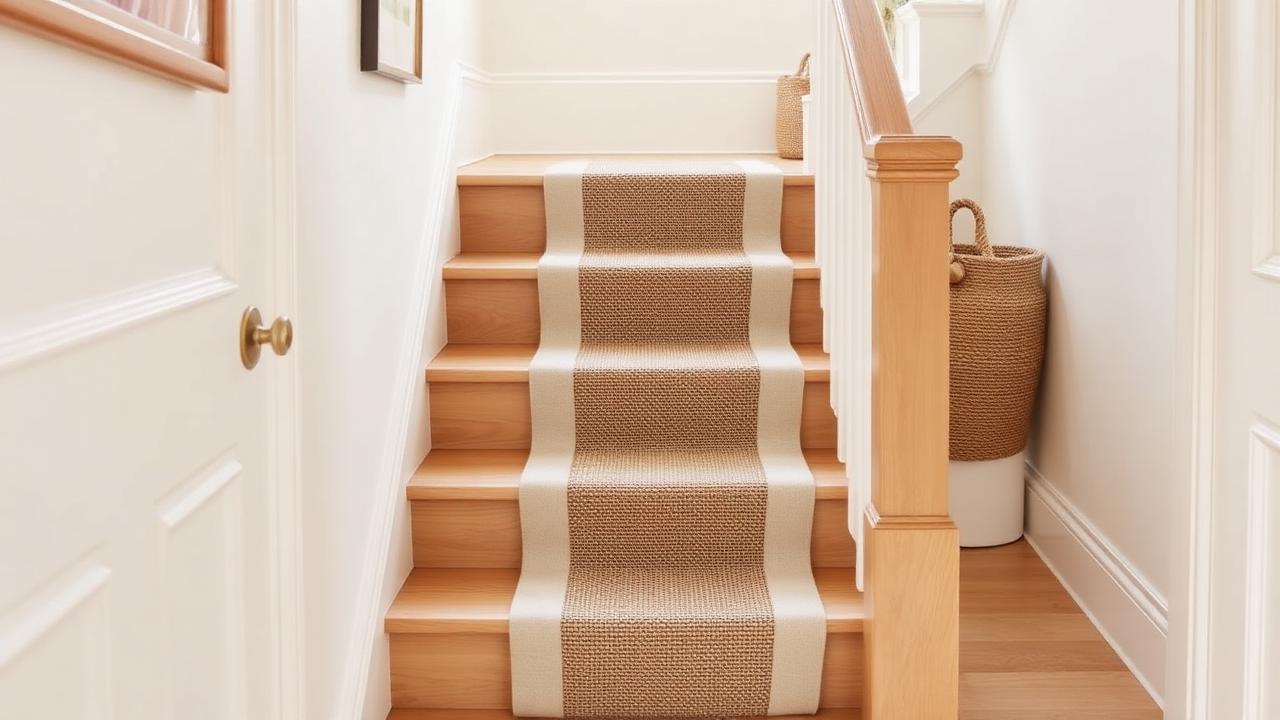
Disposal of old carpet
Check whether your local waste facility accepts carpet before the job — some charge by weight or refuse it entirely, in which case a specialist uplift service or your fitter's own disposal fee may apply. Budget $20-60 / £15-50 for disposal on a typical staircase amount of carpet if you are not taking it yourself.
A middle-ground option: replace only the worst treads
If full strip-out feels excessive but the existing carpet is patchy, some fitters will replace gripper and underlay only on the treads that show damage or softness, keeping the rest of the old carpet's fixings if they are genuinely sound. This is a judgment call best made in person, since it depends entirely on the condition underneath — always ask for an honest assessment rather than assuming a partial fix will hold for the long term.
When fitting over carpet is defensible
Laying a runner over existing stair carpet is a compromise, and it is worth being clear about which compromises are acceptable. It works reasonably well where the existing carpet is thin, firmly fixed, low pile and flat — a contract loop, for example — and the runner is a heavier, denser piece that will sit on top without moving. It works badly over a deep cut pile, over carpet that is already loose or rippled, or where the existing carpet stops short of the nosing. In those cases the runner effectively floats on a soft, mobile base, and no fixing method will keep it square for long.
| Existing carpet | Verdict | Best fixing |
|---|---|---|
| Thin contract loop, well fixed | Acceptable | Carpet-to-carpet grip pads plus rods |
| Medium cut pile, firm | Marginal | Hook-side tape plus rods, expect adjustment |
| Deep or shaggy pile | Not advised | Lift the carpet first |
| Loose or rippled carpet | Not advised | Refix or remove before any runner |
Fixings that actually grip carpet
Standard tackless gripper is designed to bite into a subfloor, not into another carpet, so it is the wrong tool here. What works is the hook half of a hook-and-loop tape bonded to the runner backing, which grips a loop-pile base surprisingly well; carpet-to-carpet double-sided tape with a high-tack acrylic adhesive; and rods with working brackets screwed through the existing carpet into the riser, which give you a mechanical restraint rather than a friction one. In practice a combination of two of these outperforms any one alone.
The safety point that decides it
A runner that slides on a stair is a genuine trip hazard, not a cosmetic problem, and the risk is highest on the top two steps where people are moving fastest. If the runner can be pushed sideways by hand after fitting, it is not fit for use. Test it that way before the stair goes back into service, and re-test after a fortnight. If it has moved, take the base carpet up — the two hours that costs is a better trade than a fall.
Whatever you decide, get the numbers first: the stair runner calculator doubles as a stair runner length calculator, adding nosing wrap, landings, winders, pattern repeat and waste so you order the right length the first time.
Still deciding on material, width or pattern? Our hub on stair runners compares weaves, widths, backings and fitting styles side by side, then hands the numbers straight to the calculator.
Frequently asked questions
Can you put a stair runner over carpeted stairs?
It is possible with a thin, low-pile runner over a firmly fixed low-pile carpet, but it is not recommended. The runner cannot be tensioned properly, wears out quickly at the nosing and can create a slip hazard.
Will a runner over carpet damage the carpet underneath?
Yes. Staples leave permanent holes and the compressed strip under the runner will not recover, so the carpet beneath is effectively sacrificed.
How long does it take to strip out old stair carpet?
Typically 1.5-3 hours for a 13-step flight, including pulling gripper, removing staples and vacuuming. It is worth doing even if you plan to reuse the same gripper, since it exposes any tread damage while it is still cheap to fix.
Is it ever worth fitting a runner over old carpet to save money?
Only as a short-term or rental solution. The saving on labour is usually smaller than the cost of the shortened lifespan and the risk of stapling into a substrate you cannot inspect.
Is fitting a runner over existing carpet safe?
Only if the runner cannot be pushed sideways by hand after fitting. Over thin, firmly fixed loop pile with grip tape and rods it can be made secure; over deep or loose carpet it cannot, and the base carpet should come up first.
Know your numbers in 30 seconds
Enter your step count, tread depth and riser height — the stair runner calculator gives you the exact length to order, in metres and feet, with waste included.
Plan the runner properlyReady for real prices?
Get quotes from vetted stair runner suppliers and fitters near you. Free, no account, no obligation.
Every guide is written from hands-on measuring and fitting experience, checked against the calculator’s own maths, and re-reviewed whenever prices or methods change. Read our editorial standards.