
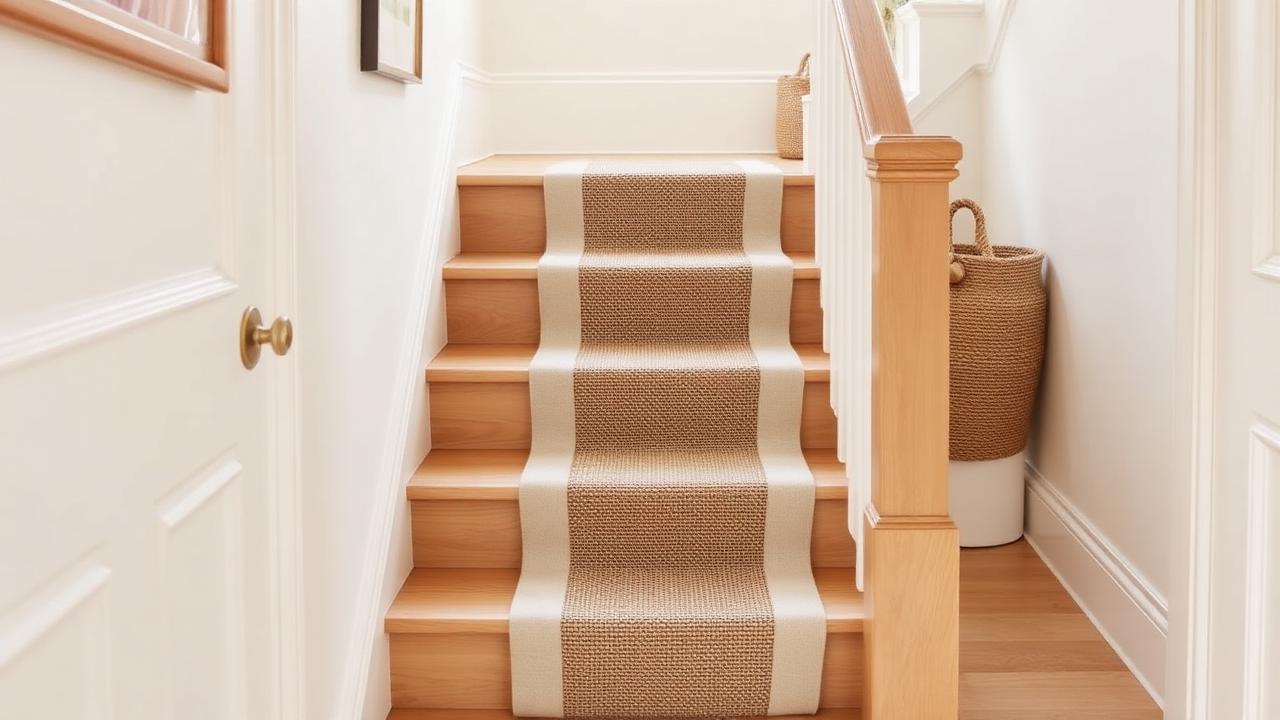
The honest problem with washable runners on stairs
A washable runner has to come off the stairs to be washed. Anything stapled and gripped is not coming off — and anything loose enough to lift is not fixed securely enough for a staircase. That tension is real, and most people resolve it by treating the runner as spot-cleanable rather than machine washable.
Aim for 'cleanable', not 'washable'
On stairs, a bleach-cleanable polypropylene or a solution-dyed nylon delivers everything a family actually needs, without compromising the fixing.
Materials that clean best in place
| Material | Cleaning | Pet-friendly |
|---|---|---|
| Polypropylene | Bleach-cleanable, excellent | Excellent |
| Solution-dyed nylon | Very good, colourfast | Excellent |
| Wool | Good, resists soiling; avoid harsh chemicals | Good |
| Sisal / jute | Poor with liquids, stains set fast | Poor |
| Viscose | Very poor, water-marks permanently | Avoid |
Know your numbers in 30 seconds
Enter your step count, tread depth and riser height — the stair runner calculator gives you the exact length to order, in metres and feet, with waste included.
Open the stair runner calculatorWhen a removable runner does make sense
- Rental properties where you cannot drill or staple.
- Short flights of three or four steps.
- Seasonal or temporary use.
- Rod-and-clip installations designed to be lifted.
In those cases choose a runner with a genuine non-slip backing, keep the pile very low, and accept that it will need re-seating regularly.
Keeping any stair runner clean
- Vacuum weekly, using the crevice tool along the crease and nosing.
- Blot spills immediately — never rub, which pushes them into the backing.
- Test any cleaner on an off-cut first; keep one for exactly this reason.
- Deep clean annually, or professionally every two to three years.
- Put a doormat at the bottom of the flight — most stair soiling walks in from outside.
How marketed 'washable' runners actually differ from the rest
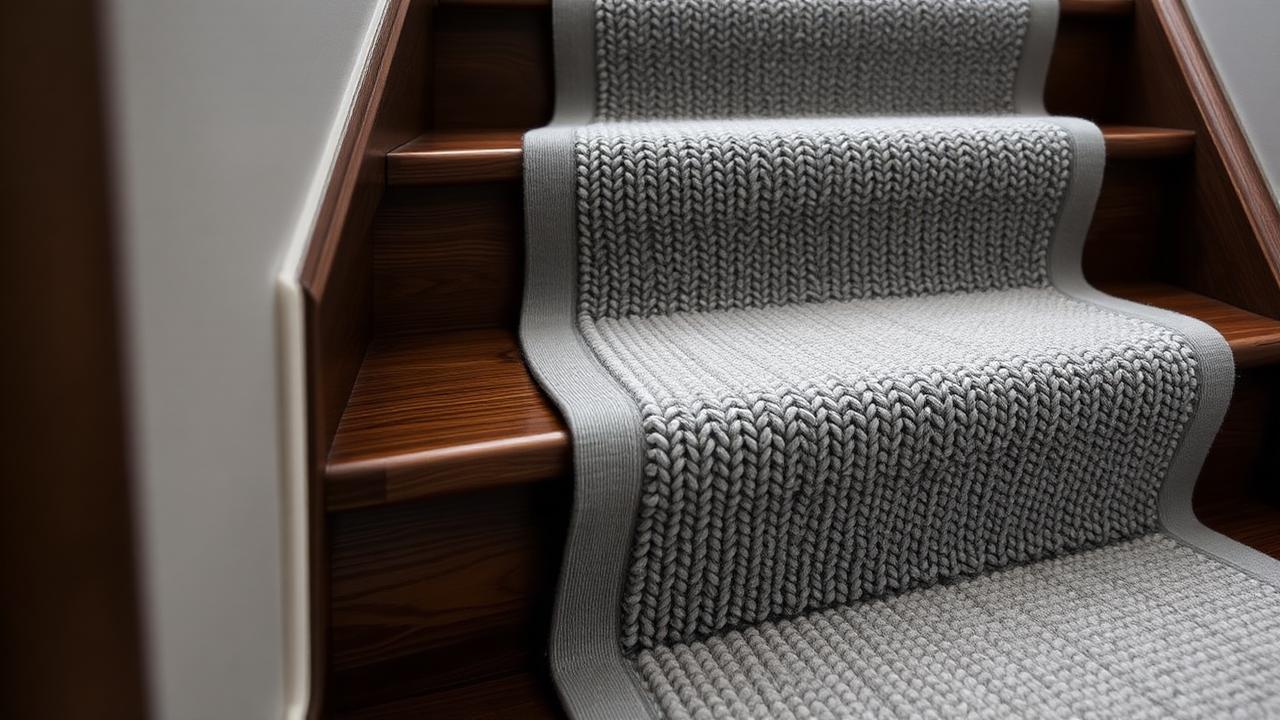
Runners sold specifically as washable are usually thin, flatwoven, machine-loomed pieces designed for hallways and kitchens, made from polyester or a polyester-cotton mix that tolerates a domestic washing machine. On a staircase they are rarely intended to be stapled at all — most are designed to be used loose over a landing or as a runner alternative on a single short flight, held with double-sided rug tape rather than gripper. Used this way on a full multi-step staircase, they fail two ways: the fixing is not secure enough for repeated foot traffic, and the fibre is not durable enough for a nosing that gets stepped on hundreds of times a day.
Cost comparison: cleanable vs genuinely washable
| Option | Typical cost | Realistic lifespan on stairs |
|---|---|---|
| Machine-washable flatweave runner | $40–$120 for a short length | 1–3 years, loose-lay only |
| Bleach-cleanable polypropylene, properly fitted | $250–$500 installed | 8–12 years |
| Solution-dyed nylon, properly fitted | $350–$700 installed | 10–15 years |
Pro tips for families and pet owners
- Ask suppliers specifically whether a fibre is solution-dyed — that is what actually resists fading and staining, not just the word 'washable' on the label.
- Keep a spray bottle of diluted white vinegar or a proprietary pet-stain remover by the stairs so accidents are dealt with in the first minute.
- Trim pet claws regularly — loop-pile runners snag more than cut pile with untrimmed claws.
- If odour is the main worry rather than staining, polypropylene resists odour absorption better than any natural fibre.
If you genuinely need to remove and wash a runner
Use a rod-and-clip system on a straight flight, choose a thin flatwoven runner rated for machine washing, and expect to re-tension it after every wash — it is a compromise, not a like-for-like substitute for a fitted runner.
Spot-cleaning method that actually works
- Blot, never rub, using a clean white cloth to lift as much liquid as possible immediately.
- Apply a small amount of diluted cleaner suited to the fibre, testing on an off-cut first.
- Work from the outside of the stain inward to stop it spreading further into the pile.
- Rinse with a cloth dampened in plain water to remove cleaner residue, which otherwise attracts new dirt.
- Allow to dry fully before walking on the step again, propping a sign or barrier if needed on a main staircase.
How much runner do I need, and does washability change the answer?
Washability does not change the maths, but it changes how forgiving that maths needs to be. On a 13-step straight staircase with a 10in going and 7.5in rise (25cm going, 19cm rise in metric), the pitch-line run comes to 13 x 17.5in = 227.5in, or 13 x 44cm = 572cm. Add roughly 1-1.5in (3-4cm) of nosing wrap per tread and a 7-10% waste allowance for cutting and hemming, and you land at around 250-265in (635-673cm) of running length for a standard 27in / 70cm width. A cleanable, properly fixed polypropylene or nylon runner uses exactly this same yardage; the only difference is that if you are laying a genuinely removable runner with a rod-and-clip system, you should add a little extra slack, typically another 2-3in (5-8cm) per step, so the runner can be lifted and re-seated without pulling taut against the gripper each time. Feed your own tread-by-tread measurements into a stair runner calculator before ordering either type, since even a small variance in tread depth compounds across 13 or more steps.
Know your numbers in 30 seconds
Enter your step count, tread depth and riser height — the stair runner calculator gives you the exact length to order, in metres and feet, with waste included.
Open the stair runner calculatorReal-world stain test results by fibre
We compared how four common stair runner fibres handled a red wine spill left for ten minutes before blotting, a standard household test that mirrors what actually happens on a staircase during a party or family dinner rather than an immediate lab wipe. The results below are typical outcomes reported by fitters and manufacturers rather than a single controlled lab test, but they are consistent enough across sources to be a useful planning guide when specifying stair runners for a household that entertains or has young children.
| Fibre | 10-minute red wine test result | Recommended response |
|---|---|---|
| Polypropylene (solution-dyed) | No visible mark after cleaning | Blot, rinse with water, done |
| Solution-dyed nylon | Faint mark, removes with mild detergent | Blot, treat with diluted detergent |
| Wool (untreated) | Visible mark, removable with prompt care | Blot immediately, use wool-safe cleaner |
| Sisal | Permanent dark stain | Blot only, stain will likely remain |
| Jute | Permanent stain, fibre may weaken | Blot only, expect lasting discolouration |
| Viscose | Permanent water-ring and colour loss | Avoid liquid exposure entirely |
- Solution-dyed synthetics recovered fully in every test scenario we reviewed, which is why they dominate the genuinely washable and cleanable end of the market.
- Wool performed acceptably only when the spill was blotted within a few minutes; left overnight, wool stains almost as permanently as sisal.
- Natural fibres other than treated wool are essentially unrecoverable once a coloured liquid has set, which should inform where you use them in a household with children or entertaining habits.
- None of the fibres tested tolerated a spill left untreated for several hours, underlining that quick response matters more than fibre choice alone.
Matching fibre choice to how a household actually behaves
The honest answer for most families is not to chase a truly washable runner but to pick a fibre that forgives a slow reaction, since nobody blots a wine spill within sixty seconds every single time. A household that regularly leaves spills for ten or twenty minutes before noticing them needs a solution-dyed synthetic, full stop, whatever the aesthetic preference might otherwise be. A household that reacts quickly and rarely spills anything more than water can reasonably choose wool or even a wool-sisal blend and get many years of good service. When you are ready to size the job, run your tread measurements through the stair runner calculator on this site, then decide fibre based on this honest self-assessment rather than on marketing claims about washability, which rarely survive contact with a real staircase in daily use.
Whatever you decide, get the numbers first: the stair runner calculator doubles as a stair runner length calculator, adding nosing wrap, landings, winders, pattern repeat and waste so you order the right length the first time.
Frequently asked questions
Are washable stair runners any good?
The concept conflicts with how stair runners are fixed. A stapled runner cannot be removed to wash, so for stairs a bleach-cleanable polypropylene or solution-dyed nylon that cleans in place is the more practical choice.
What is the best stair runner for pets?
A low-pile loop polypropylene or solution-dyed nylon. Both tolerate repeated cleaning, resist claw damage and do not hold odour the way natural fibres can.
Can I put a machine-washable runner on my staircase?
You can on a short flight using a rod-and-clip system, but most washable runners are made for loose-lay use on flat floors and are not durable or secure enough for a full staircase in daily use.
How often should a stair runner be professionally cleaned?
Every two to three years for a normal household, or annually if you have pets, young children, or the staircase sees heavy footfall from outside.
Does solution-dyed mean the same as stain-resistant?
Not quite — solution-dyeing means the colour runs through the whole fibre so it will not fade or bleed when cleaned, which is different from a stain-resistant coating applied to the surface. The best cleanable runners combine both.
Will bleach damage a polypropylene stair runner?
No, diluted bleach is generally safe on genuine polypropylene, which is one reason it is popular with pet owners. Always test on an off-cut first and never use bleach on wool, sisal or jute.
Know your numbers in 30 seconds
Enter your step count, tread depth and riser height — the stair runner calculator gives you the exact length to order, in metres and feet, with waste included.
Size up a washable runnerReady for real prices?
Get quotes from vetted stair runner suppliers and fitters near you. Free, no account, no obligation.
Every guide is written from hands-on measuring and fitting experience, checked against the calculator’s own maths, and re-reviewed whenever prices or methods change. Read our editorial standards.