
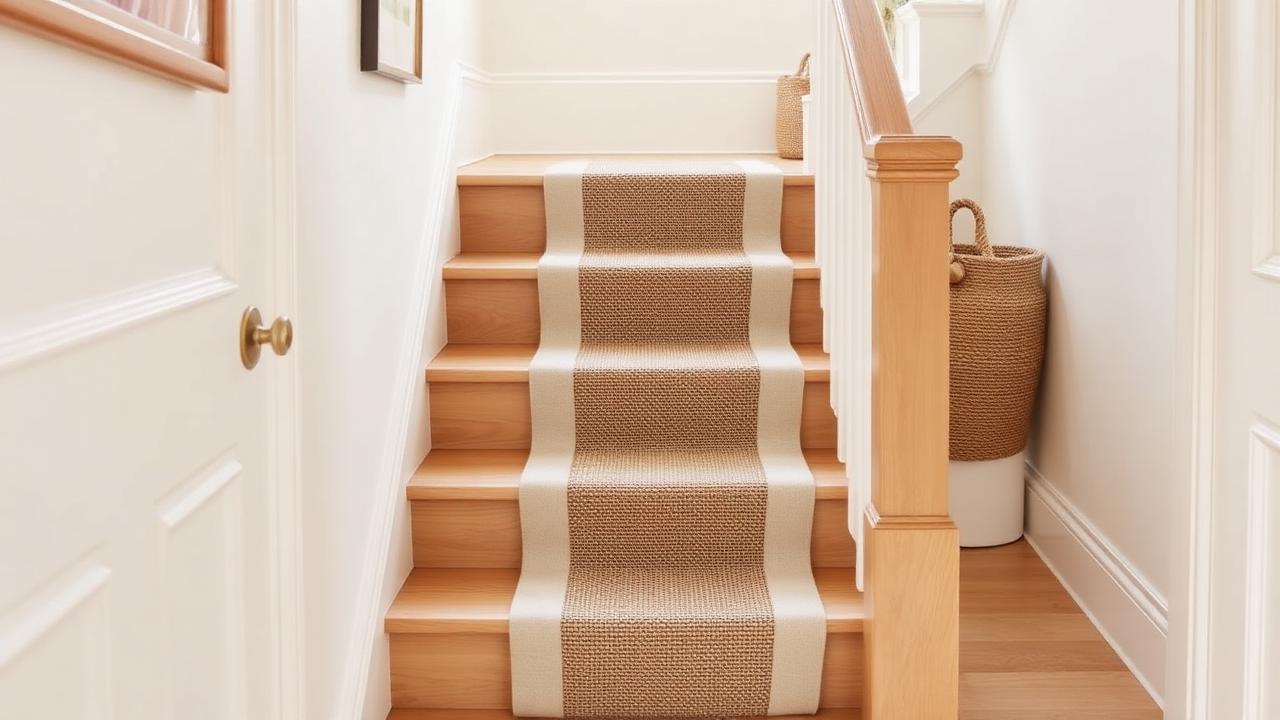
Two very different fibres, same-shaped job
Wool and polypropylene get compared constantly because they sit at opposite ends of the same shelf in most carpet showrooms, roughly similar in appearance from a distance but genuinely different once you live with either underfoot for a few years. Wool is a natural protein fibre with a slight lanolin content that helps it resist soiling and spring back after being crushed, which is exactly what a stair tread does to carpet fibres thousands of times a week. Polypropylene is a synthetic fibre extruded to mimic wool's look at a fraction of the cost, and modern versions have closed the visual gap considerably, though the feel underfoot and the way it wears over a decade still differ noticeably.
I fit both regularly and the honest answer is that neither fibre is universally better, they suit different situations. A wool runner on a well-used main staircase in a family home rewards the higher price with a longer service life and a nicer look as it ages. A polypropylene runner on a rental property, a basement stair prone to damp, or a household with young pets that occasionally have accidents on the stairs, earns its keep through stain resistance and a lower cost if it needs replacing sooner than a wool runner would.
Durability and how each fibre actually wears
Wool fibres are naturally resilient and spring back from crushing better than most synthetics, which is why a well-made wool or wool-blend (typically 80% wool, 20% nylon for added durability) runner can genuinely last 10-15 years on a busy staircase without flattening in the walking line. Polypropylene doesn't spring back the same way once crushed, so on a heavily used flight you'll usually see a visible flattened track down the centre within 3-5 years, even though the fibre itself hasn't degraded or stained. This is the single biggest practical difference between the two: wool resists looking tired even as it ages, while polypropylene can look flat and worn well before it's actually failed.
Where polypropylene genuinely wins
Polypropylene is inherently moisture and mildew resistant and doesn't absorb water the way wool can, which makes it the sensible choice for basement stairs, coastal properties with high humidity, or any staircase near an exterior door that regularly gets wet feet crossing it.
How much runner do I need?
Using a 13-step flight with 10 in tread run, 7.5 in riser height and a 0.75 in nosing wrap, each step needs 18.25 in of runner, giving 237.25 in (19.77 ft) across the flight. Add a 24 in total finishing allowance (12 in top and bottom) for 261.25 in (21.77 ft), then apply a 6% waste margin, which is enough for a plain weave in either fibre, to land at roughly 23.1 ft of runner to order.
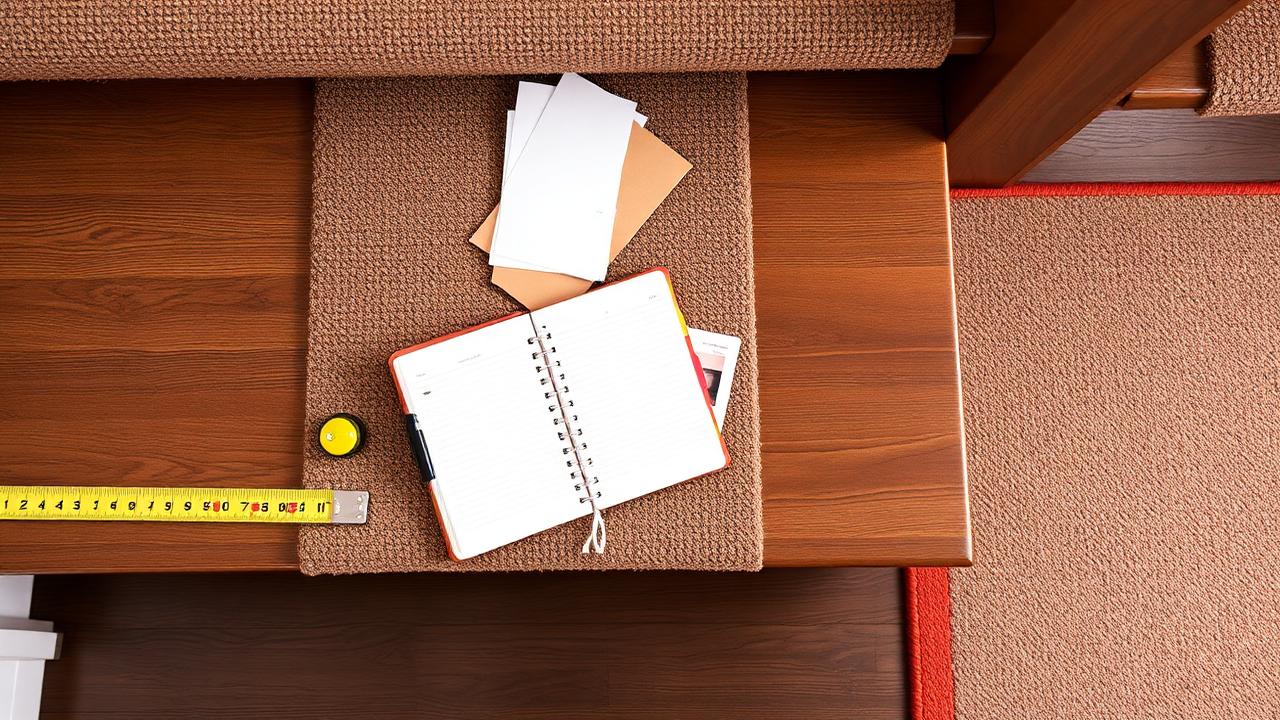
In UK units, that's 25 cm tread run, 19 cm riser height and 1.9 cm nosing wrap, 45.9 cm per step, 596.7 cm across 13 steps, plus 60 cm finishing allowance for 656.7 cm, then a 6% waste margin brings the order to roughly 6.96 m. Neither fibre changes this arithmetic; the waste margin only needs adjusting upward, to around 8-10%, if you've chosen a patterned wool weave that requires matching repeats across steps.
| Property | Wool | Polypropylene |
|---|---|---|
| Typical lifespan on stairs | 10-15 years | 5-8 years |
| Cost per metre | Higher | Lower |
| Stain resistance | Moderate, needs treatment | High, naturally resistant |
| Moisture tolerance | Poor, can absorb and mildew | Good, water-resistant |
| Feel underfoot | Soft, springy | Firmer, less resilient |
| Crush resistance | Good, springs back | Poor, flattens over time |
Know your numbers in 30 seconds
Enter your step count, tread depth and riser height — the stair runner calculator gives you the exact length to order, in metres and feet, with waste included.
Open the stair runner calculatorStains, spills and everyday cleaning
Wool's natural lanolin gives it a degree of built-in stain resistance against dry soiling and light spills, but liquid stains, red wine, coffee, pet accidents, need blotting up immediately, since wool absorbs liquid readily and can hold a stain if it's left to sit. Polypropylene is inherently far more forgiving here; most spills sit on the surface long enough to be wiped up cleanly, which is exactly why so many stair runners marketed as family-friendly or pet-friendly use polypropylene or a polypropylene-nylon blend rather than pure wool.
- Vacuum a wool runner weekly using a setting without a rotating beater bar, which can pull and fuzz wool fibres over time.
- Blot, never rub, liquid spills on wool immediately, working from the outside of the spill inward.
- Polypropylene tolerates a beater bar vacuum and mild carpet shampoo without fibre damage.
- Steam clean wool sparingly, no more than once a year, since repeated heat and moisture can shrink or felt the fibres.
- Rotate or swap a polypropylene runner end-for-end if it's a plain colour, to even out wear from the walking line.
Cost, feel and the final decision
Expect a wool or wool-blend stair runner to cost noticeably more per metre than a comparable polypropylene one, often by a wide margin depending on weave and pile height, though the exact figure varies hugely by supplier and quality tier, so treat any number you see as a starting point for your own quotes rather than a fixed price. If you're outfitting several staircases in a rental portfolio, polypropylene's lower cost and easier cleaning usually wins on pure economics. If you're finishing your own main staircase and plan to stay in the house for a decade or more, wool's better ageing and nicer feel underfoot tends to justify the extra spend for most homeowners I work with.
Whichever fibre you land on, get the length and width right before ordering. Underestimating a wool runner's length is a more expensive mistake to correct than underestimating a polypropylene one, simply because wool costs more to reorder, so run your numbers through a stair runner length calculator twice before placing the order, once from your own tape measurements and once as a sanity check against the supplier's own measuring guide.
Whatever you decide, get the numbers first: the stair runner calculator doubles as a stair runner length calculator, adding nosing wrap, landings, winders, pattern repeat and waste so you order the right length the first time.
Frequently asked questions
Is wool or polypropylene better for stairs?
Wool wears better long-term and feels nicer underfoot, making it the better choice for a well-used main staircase you'll keep for years. Polypropylene costs less and resists stains and moisture better, suiting basements, rentals or high-spill households.
Does polypropylene stair runner flatten faster than wool?
Yes, polypropylene doesn't spring back from crushing the way wool does, so a visible flattened track often appears in the walking line within 3-5 years on a busy staircase, while wool can go 10+ years before showing the same wear.
Can polypropylene stair runners get wet?
Yes, polypropylene is inherently water and mildew resistant, which is why it's often recommended for basement stairs or entryways prone to damp feet. Wool absorbs moisture more readily and can mildew if it stays damp.
Is wool worth the extra cost for a stair runner?
For a main household staircase you plan to keep for a decade or more, most fitters would say yes, since wool ages more gracefully and resists crushing better. For a secondary or rental staircase, polypropylene's lower cost is often the more sensible call.
Do wool stair runners stain easily?
Wool has natural stain resistance against dry soiling but liquid spills need blotting up immediately or they can set into the fibre. Polypropylene handles liquid spills more forgivingly since it doesn't absorb moisture as readily.
How long does a wool stair runner last on stairs?
A quality wool or wool-blend runner typically lasts 10-15 years on a busy household staircase with regular vacuuming and prompt spill care, compared with roughly 5-8 years for a comparable polypropylene runner under the same use.
Can I vacuum a wool stair runner with a beater bar?
It's best avoided; a rotating beater bar can pull and fuzz wool fibres over time. Use a suction-only setting or a vacuum with a beater bar you can switch off for wool, whereas polypropylene tolerates a beater bar without issue.
How much runner do I need for a 13-step staircase in either fibre?
For a 13-step flight with 10 in (25 cm) treads and 7.5 in (19 cm) risers, expect roughly 23-24 ft (7-7 m) of runner in either fibre, since the length calculation depends on step geometry and waste margin, not fibre type.
Know your numbers in 30 seconds
Enter your step count, tread depth and riser height — the stair runner calculator gives you the exact length to order, in metres and feet, with waste included.
Get your exact length first with the stair runner calculatorReady for real prices?
Get quotes from vetted stair runner suppliers and fitters near you. Free, no account, no obligation.
Every guide is written from hands-on measuring and fitting experience, checked against the calculator’s own maths, and re-reviewed whenever prices or methods change. Read our editorial standards.