

The Appeal of Antelope Print in Modern Interior Design
The antelope pattern, often characterized by its irregular spotting and warm, neutral tones, has transitioned from a niche luxury item to a staple of modern interior design. Unlike traditional floral or geometric patterns, antelope print offers a 'neutral with a twist' quality. It masks footprints and debris exceptionally well, making it an ideal candidate for high-traffic areas like staircases. The organic nature of the spots means that no two sections look exactly the same, which adds a layer of depth and visual interest that uniform patterns often lack.
In both the UK and US markets, antelope print runners are frequently specified by designers looking to bridge the gap between rustic charm and urban sophistication. In a classic London townhouse or a suburban American home, the warmth of the tawny browns and creamy whites creates an inviting transition between floors. When planning your installation, a stair runner length calculator is essential for ensuring you account for the necessary overage needed to align the pattern correctly across treads and risers.
Pattern Scale vs. Stair Width: Getting the Balance Right
One of the most critical factors when selecting an antelope print is the scale of the pattern. Because stairs are relatively narrow compared to a broadloom room installation, a pattern that is too large can become lost, while one that is too small can look busy or cluttered. For a standard staircase width of 36 inches (91cm), a medium-scale print—where the spots are roughly 1-2 inches in diameter—typically provides the best visual balance.
If you have wider stairs, perhaps in a grand entryway, you can afford to go with a larger, more sprawling antelope motif. Conversely, for narrow cottage stairs, a tighter, more dense pattern will ensure that the character of the print is visible on every single step. It is also important to consider the 'empty space' between the spots; a denser pattern is generally better at hiding the wear and tear that inevitably occurs in the center of the tread.
| Stair Width (inches/cm) | Recommended Pattern Scale | Visual Impact |
|---|---|---|
| 28" - 32" (71-81cm) | Small/Dense | Refined and detailed |
| 33" - 38" (84-96cm) | Medium/Standard | Balanced and natural |
| 39"+ (99cm+) | Large/Expansive | Bold and dramatic |
Material Options and Durability
Antelope print runners are available in a variety of materials, each with its own set of pros and cons. Wool is the gold standard for luxury and longevity. It is naturally stain-resistant and resilient, meaning the pile will bounce back even after years of foot traffic. However, wool is also the most expensive option. Synthetic blends, particularly those using high-quality nylon or polypropylene, offer a more budget-friendly alternative that is incredibly durable and easy to clean, though they may lack the soft 'underfoot' feel of pure wool.
In the UK, 80/20 wool-nylon blends are highly popular for their combination of natural beauty and synthetic strength. In the US, branded fibers like Karastan's nylon collections are often favored for their stain-protected warranties. Regardless of the material, ensure the backing is robust enough to handle the tension of being stretched over the nose of each tread.
Pro Tip: Pattern Direction
When installing an antelope print, always ensure the pattern flows 'down' the stairs. The 'spots' should appear to be cascading, which creates a more natural and fluid look than if the pattern were oriented sideways or randomly.
Cost Comparisons: UK £ vs. US $
The cost of an antelope print stair runner varies significantly based on the fiber content and the brand. A high-end wool runner from a premium manufacturer will sit at the top of the price bracket, while a machine-made synthetic version will be much more accessible.
| Component | Estimated Cost (UK £) | Estimated Cost (US $) |
|---|---|---|
| Runner Material (per linear meter/yard) | £45 - £130 | $50 - $160 |
| Underlay/Padding (per flight) | £60 - £120 | $80 - $150 |
| Installation Labor (standard flight) | £200 - £450 | $300 - $600 |
| Binding/Edging (per meter/yard) | £10 - £25 | $12 - $30 |
Measuring and Installation Implications
Measuring for an antelope print runner requires a bit more precision than a plain carpet. Because the pattern is irregular, you don't necessarily need to 'match' the spots perfectly at every seam, but you do need to ensure the density of the pattern remains consistent. If you are using multiple rolls, they should ideally come from the same dye lot to avoid subtle color shifts that will be glaringly obvious under stair lighting.
- Account for the 'wrap' around the stair nose (usually 1.5 - 2 inches per step).
- Add an extra 10-15% for waste and pattern matching if the print has a distinct repeat.
- Consider the landing: will the antelope print continue across the flat surface, or will you transition to a different material?
- Check local building codes (UK Approved Document K or US IRC R311.7) for minimum tread depth and maximum rise, as these affect the total length of the runner.
Finishing the Edges
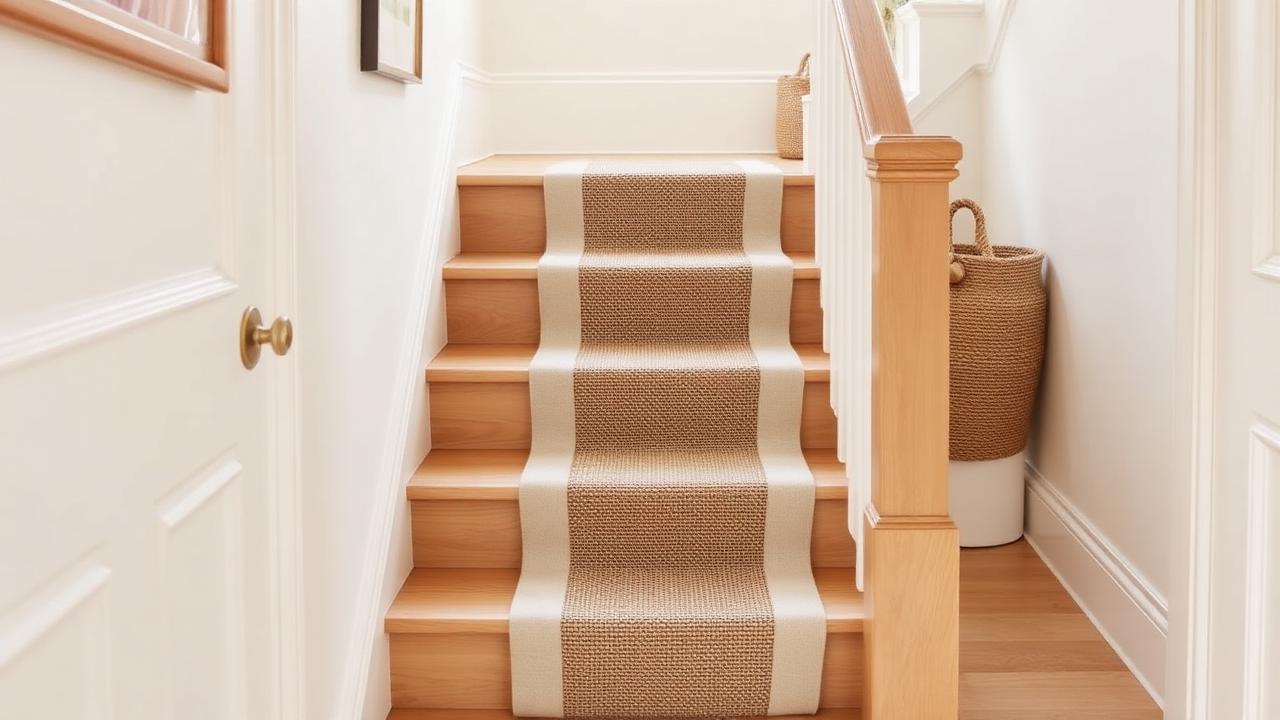
How you finish the edges of your antelope runner can change its entire vibe. A simple 'whipped' edge (overlocked with matching yarn) keeps the focus entirely on the pattern. A 'bound' edge (using a fabric tape like cotton or linen) can add a tailored, formal look. For antelope prints, a black or dark brown cotton binding is a popular choice, as it frames the wild pattern and gives it a structured boundary.
Know your numbers in 30 seconds
Enter your step count, tread depth and riser height — the stair runner calculator gives you the exact length to order, in metres and feet, with waste included.
Open the stair runner calculatorWhatever you decide, get the numbers first: the stair runner calculator doubles as a stair runner length calculator, adding nosing wrap, landings, winders, pattern repeat and waste so you order the right length the first time.
Still deciding on material, width or pattern? Our hub on stair runners compares weaves, widths, backings and fitting styles side by side, then hands the numbers straight to the calculator.
Frequently asked questions
Is antelope print stair runner out of style?
No, antelope print is considered a 'new classic' in interior design. Its ability to act as a neutral while providing visual interest ensures it remains a popular choice for designers. It works well with various styles, from transitional to modern farmhouse, making it a versatile investment for your home.
How do I clean an antelope print runner?
Cleaning depends on the material. For wool, regular vacuuming with a suction-only head is recommended to avoid fraying fibers. For synthetic blends, you can use mild carpet cleaners. The busy pattern is excellent at hiding small spots between deep cleanings, which is a major benefit for busy households.
What color walls go with antelope print stairs?
Since antelope print is essentially a mix of browns, beiges, and creams, it pairs beautifully with warm whites, soft greys, and even bold colors like navy blue or forest green. The key is to pick up one of the lighter tones in the carpet for a cohesive look.
Does antelope print hide dirt?
Yes, the irregular, organic nature of the antelope spots is one of the best patterns for concealing tracked-in dirt, lint, and pet hair. This makes it a highly practical choice for the main staircase in a family home where perfection is hard to maintain.
Can I install an antelope runner myself?
While possible for a DIY enthusiast, antelope patterns require careful alignment to ensure the 'flow' looks natural. If your stairs have turns or landings, professional installation is highly recommended to handle the complex cuts and pattern matching required for a seamless look.
Is antelope print carpet expensive?
It ranges from mid-price to luxury. Synthetic versions are affordable, while designer wool brands like Stark or Karastan can be significantly more expensive. Expect to pay a premium for the unique design compared to a simple, solid-colored twist carpet.
Know your numbers in 30 seconds
Enter your step count, tread depth and riser height — the stair runner calculator gives you the exact length to order, in metres and feet, with waste included.
Stair Runner Length CalculatorReady for real prices?
Get quotes from vetted stair runner suppliers and fitters near you. Free, no account, no obligation.
Every guide is written from hands-on measuring and fitting experience, checked against the calculator’s own maths, and re-reviewed whenever prices or methods change. Read our editorial standards.