

Solid brass vs brass-plated
Solid brass rods are machined or drawn from brass bar and are brass all the way through. Brass-plated rods are steel or aluminium with a thin brass coating. Solid brass costs two to four times as much but can be re-polished for decades; plating wears through on the top surface within a few years of foot contact, especially on the lower steps where hands and shoes brush it.
| Type | Feel | Longevity | Typical price per rod (27in) |
|---|---|---|---|
| Solid brass | Heavy, cool, solid | 20+ years, re-polishable | $25–$60 / £20–£45 |
| Brass-plated steel | Lighter, hollow sound | 3–8 years before wear shows | $10–$25 / £8–£18 |
| Brass-plated aluminium | Very light | Similar to steel, resists rust | $12–$28 / £9–£20 |
Lacquered vs unlacquered
Lacquered brass is sealed with a clear coat that keeps the rod bright indefinitely; it never needs polishing but the lacquer can eventually chip and then tarnishes unevenly. Unlacquered brass is left raw so it develops a natural patina over years, which many period-house owners prefer, but it needs occasional polishing to stay bright if you want that look maintained.
Diameters and what they suit
| Diameter | Metric | Best for |
|---|---|---|
| 3/8 in | 9.5 mm | Narrow runners, understated look |
| 1/2 in | 12–13 mm | Most homes, most runner widths |
| 5/8 in | 16 mm | Wide runners, grand staircases |
Know your numbers in 30 seconds
Enter your step count, tread depth and riser height — the stair runner calculator gives you the exact length to order, in metres and feet, with waste included.
Open the stair runner calculatorDecorative, not structural
The rod does not hold the runner down
On modern installations brass rods are decorative. The runner is fixed with staples, tackless strip or adhesive underneath, and the rods sit over the top in brackets purely for looks. Do not rely on rods alone to secure a runner.
Pack sizes and ordering
Brass rods are sold individually or in packs matched to common flight lengths, typically packs of 8, 10, 12 or 13 to cover one rod per tread. A standard 13-step flight needs 13 rods (or 12 if you skip the bottom step), plus two brackets and two finials per rod.
- Measure the runner width first, then add roughly 4in total for bracket overhang.
- Order one extra rod in case of a fitting error or future repair.
- Check whether finials are included or sold separately.
- Confirm the diameter matches the brackets you already have if replacing rods only.
Care and cleaning specifics
Unlacquered solid brass needs occasional polishing with a dedicated brass polish and a soft cloth to keep it bright, ideally every 3 to 6 months on a main stair; lacquered brass needs only dusting and a damp wipe, since polishing lacquered rods with abrasive brass polish will scratch the clear coat and dull the finish permanently.
- Never use abrasive cleaners or steel wool on lacquered brass; a soft cloth and mild soap solution is enough.
- For unlacquered brass, apply polish sparingly and buff along the length of the rod, not in circles, to avoid visible swirl marks.
- Dust rods weekly as part of normal stair vacuuming to prevent grime building up in bracket joints.
- If patina is developing unevenly, a light polish and re-wax can even the tone without a full re-finish.
Buying checklist with price bands
Solid brass rods vary in price mainly by diameter, finish and whether finials and brackets are bundled, so compare full sets rather than rod price alone.
| Item | Price (US) | Price (UK) |
|---|---|---|
| Single solid brass rod, plain end | $25-$60 | £20-£45 |
| Rod with matching brackets and finials | $40-$90 | £30-£70 |
| Full 13-step set, solid brass, mid-range | $500-$1,100 | £380-£850 |
- Buy rods, brackets and finials from the same range so the finish tone matches exactly.
- Confirm lacquered vs unlacquered before ordering, since it affects long-term maintenance commitment.
- Order one spare rod for future repairs, as finishes can be discontinued after a few years.
Brass rods on painted vs stained staircases
Brass reads differently depending on the surrounding woodwork. Against a painted white staircase, polished brass gives strong contrast and reads formal; against stained or natural oak, brass tones blend in and read warmer, which is why many oak staircases pair brass rods with a satin rather than high-polish finish. Test a single rod in situ before committing to a full flight, since photographs under showroom lighting rarely match a home stairwell's actual light.
| Staircase finish | Best brass tone | Effect |
|---|---|---|
| Painted white or pale | Polished or satin brass | Strong, formal contrast |
| Stained or natural oak | Satin or antique brass | Warm, blended tone |
| Dark hardwood | Polished brass | Bright accent against dark wood |
DIY vs hiring a fitter for brass rods
Fitting brass rods yourself is realistic on a straight flight with square treads and basic tools, and most homeowners can complete a 13-step flight in half a day once the runner itself is secured. Hiring a fitter costs more but is worth it on curved staircases, very old joinery, or where antique rods need cutting and re-threading to length.
Environmental factors that affect brass longevity
Bathrooms and porches leading directly onto a staircase can push extra humidity into the stairwell air, which speeds up tarnishing on unlacquered brass and can even affect lacquered rods if condensation regularly forms on the metal. Coastal properties see faster tarnish still, since salt air accelerates oxidation on any exposed metal, brass included.
- In humid stairwells, favour lacquered or PVD-coated brass over raw unlacquered brass.
- Ventilate stairwells near bathrooms or kitchens where steam can settle on hardware.
- In coastal homes, budget for more frequent polishing or choose a naturally corrosion-resistant alternative finish.
- Wipe down rods after any deep clean of the stairs that involves damp mopping nearby surfaces.
Matching brass rods to stair runner colour
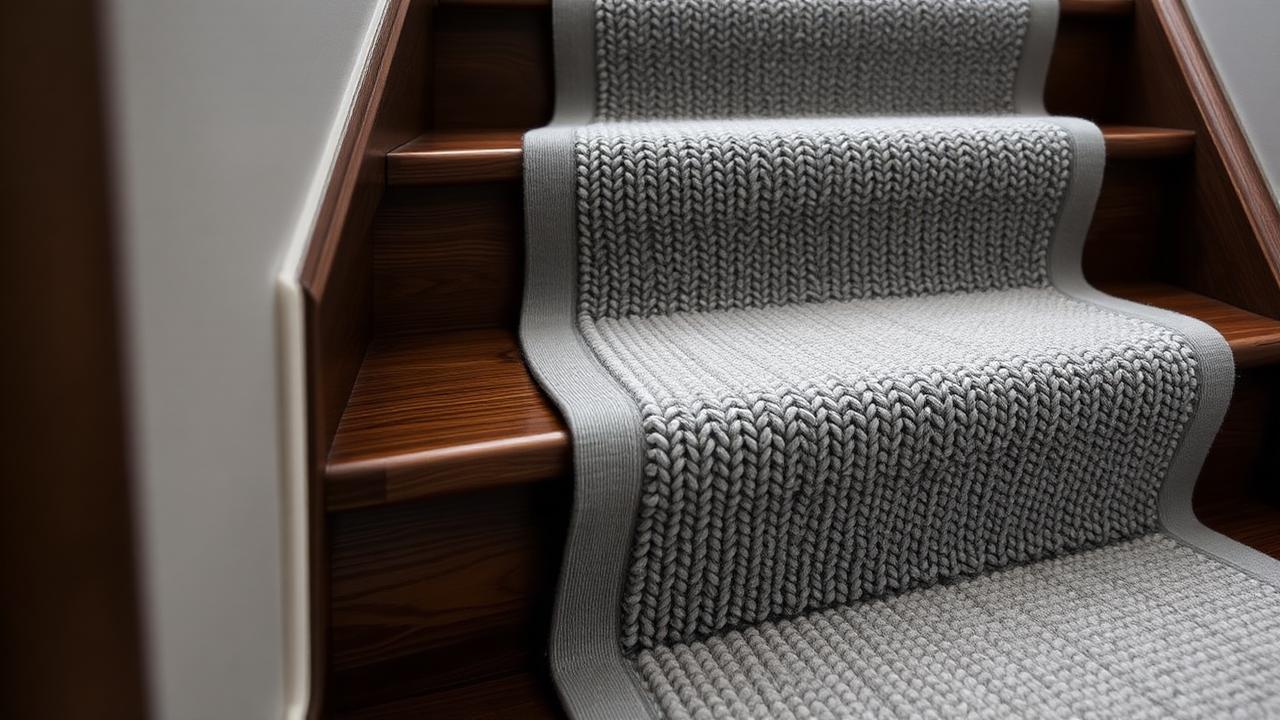
Warm brass tones sit particularly well against deep reds, forest greens and warm neutrals, echoing the traditional pairing seen in many period hallways. Against cool greys or blue-toned runners, brass can look slightly at odds unless the surrounding woodwork also carries warm tones to bridge the two.
Insurance and appraisal value of solid brass sets
A full solid brass rod set for a 13-step flight can represent a genuine four-figure investment once brackets and finials are included, yet it rarely appears as a named item on a home contents policy. If you have spent more than roughly $500 or £400 on hardware, photograph the finished flight, keep the supplier invoice, and mention it to your insurer if your policy has a per-item threshold for unlisted contents, so a theft or accidental damage claim is not disputed later.
Storing spare brass rods and finials
Keep any spare rods, brackets or finials wrapped in acid-free tissue or a soft cloth bag rather than left loose in a drawer, since bare brass left in contact with other metals or damp cardboard can develop uneven tarnish spots before it is ever fitted. Label the bag with the supplier and product reference so a future repair or extension to the set is easy to match exactly.
Whatever you decide, get the numbers first: the stair runner calculator doubles as a stair runner length calculator, adding nosing wrap, landings, winders, pattern repeat and waste so you order the right length the first time.
Still deciding on material, width or pattern? Our hub on stair runners compares weaves, widths, backings and fitting styles side by side, then hands the numbers straight to the calculator.
Frequently asked questions
Is solid brass worth it over brass-plated for stair rods?
On a main staircase, yes. Solid brass can be re-polished indefinitely, while plating wears through on the exposed top surface after a few years of foot and hand contact.
Do lacquered brass stair rods need polishing?
No, the lacquer keeps them bright without maintenance. Once the lacquer chips, though, tarnish appears unevenly and the rod usually needs stripping and re-lacquering rather than simple polishing.
What diameter brass rod is standard?
12 to 13mm (1/2 inch) suits most homes and runner widths. Go slimmer at 9.5mm for a minimal look, or up to 16mm for wide runners and period staircases.
Do brass rods actually hold the runner in place?
No, in modern installations they are decorative. The runner is fixed underneath with staples, tackless strip or adhesive; the rods simply sit over the top in brackets.
How often should brass stair rods be polished?
Unlacquered solid brass rods typically need polishing every three to six months on a main staircase to stay bright, depending on humidity and handling. Lacquered brass needs no polishing at all, just regular dusting, unless the lacquer has chipped.
Know your numbers in 30 seconds
Enter your step count, tread depth and riser height — the stair runner calculator gives you the exact length to order, in metres and feet, with waste included.
Work out how many rods I needReady for real prices?
Get quotes from vetted stair runner suppliers and fitters near you. Free, no account, no obligation.
Every guide is written from hands-on measuring and fitting experience, checked against the calculator’s own maths, and re-reviewed whenever prices or methods change. Read our editorial standards.