

What gives tweed carpet its look
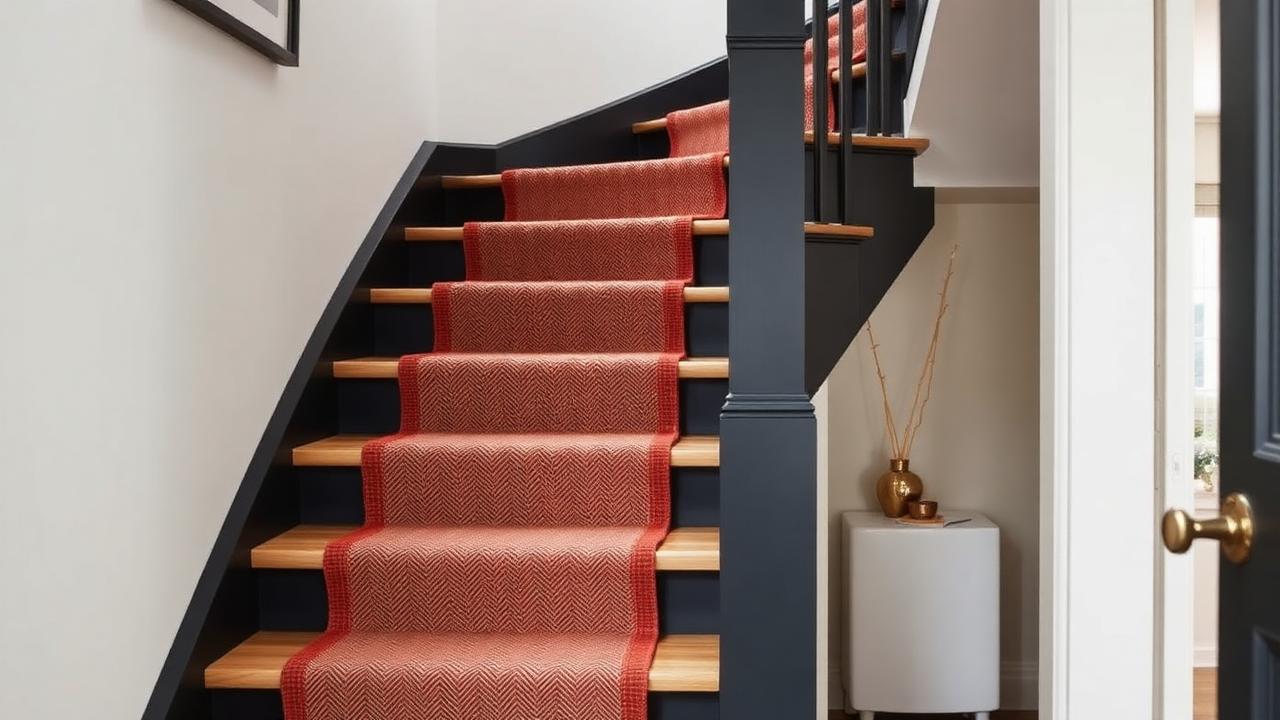
Tweed carpet takes its name and its appearance directly from tweed cloth, the woven wool fabric traditionally made in Scotland and the north of England for outdoor clothing, where flecked, muted colourways were originally chosen to blend into moorland and countryside. In carpet and runner form, that look is recreated by spinning two, three or occasionally four different coloured wool fibres together into a single yarn before it is woven or tufted, so the finished pile shows constant small flecks of colour rather than one flat, uniform tone. Herringbone is the classic weave paired with this yarn, its diagonal zigzag structure adding a second layer of visual texture on top of the flecking itself, though tweed yarns are also used in plain woven and tufted loop constructions.
The result sits visually between a plain single-colour runner and a fully patterned one: from across a hallway a tweed runner reads as a single warm, complex colour — heather, oatmeal, charcoal, moss — but close up it resolves into dozens of individual coloured fibres, which is exactly the depth of colour that a flat-dyed carpet of the same nominal shade cannot replicate.
How tweed hides everyday dirt
This is the most practical reason tweed remains so popular for stair runners specifically, since stairs are one of the highest-traffic, hardest-to-clean-constantly surfaces in any home. A flat-dyed carpet shows every mark that differs from its base colour: a pale grey runner shows dark hair and dust instantly, and a dark charcoal runner shows pale lint and light-coloured dust just as clearly. A flecked tweed yarn already contains multiple tones close in value to typical household dirt — dust, pet hair, crumbs, soil traces — so a stray fleck of debris visually blends into the existing pattern of the yarn rather than standing out as an obvious mark against a uniform background.
| Surface type | How dirt shows | Days between visible need to vacuum (typical family home) |
|---|---|---|
| Plain pale carpet | Dark marks very visible | 2-3 days |
| Plain dark carpet | Pale lint/dust very visible | 2-3 days |
| Tweed/flecked mid-tone wool | Marks blend into existing flecking | 5-7 days |
| Patterned Axminster/Wilton | Marks partly disguised by pattern | 4-6 days |
This does not mean a tweed runner needs vacuuming less often for hygiene or fibre health — grit and soil should still be removed regularly regardless of whether it is visible, since embedded grit abrades pile fibre from within even when nobody can see it. What tweed genuinely buys a household is a longer visual grace period between cleans, which matters most on a busy family staircase used dozens of times a day.
Herringbone weave and colour flecking together
Herringbone weave and tweed flecking are frequently combined but are technically separate design choices: herringbone describes the structural weave pattern (a repeating diagonal zigzag), while tweed flecking describes the yarn's colour composition. A tweed runner can be woven flat, in a plain loop, or in herringbone; a herringbone runner can be woven from a single flat colour or from a flecked tweed yarn. The two together — herringbone structure plus tweed colour flecking — is the most traditional and most requested combination for period hallways and staircases in the UK, giving both textural interest from the weave and tonal depth from the yarn.
UK mills and where the tweed look comes from
The tweed-carpet aesthetic in the UK stair runner market traces directly back to long-established British wool weaving mills, several of which originally produced tweed cloth for clothing before expanding into flooring, and which still supply the wool yarn or finished woven carpet used by most of the country's specialist stair runner retailers. These mills typically operate their own dye houses and yarn-spinning lines specifically so they can control the exact fleck ratio and colour combination in-house, which is why authentic UK-milled tweed ranges tend to offer far more subtle, considered colourways than mass-produced flecked synthetics, where the fleck colours are usually limited to two contrasting tones rather than the three or four blended shades a specialist wool mill can achieve.
Ask where the yarn is spun, not just where it is woven
Some ranges marketed as 'tweed' are woven overseas from a pre-dyed flecked yarn bought in bulk, giving a flatter, more uniform fleck pattern than yarn spun and dyed specifically for that collection. If provenance matters to you, ask the retailer whether the yarn is spun and dyed at the same UK mill that weaves the finished carpet.
Styling a tweed stair runner
Because tweed's strength is tonal depth rather than a single bold colour, it pairs particularly well with simple, uncluttered surrounding decor: painted timber margins in a single complementary shade, plain painted or wallpapered stairwell walls, and unlacquered or antiqued brass stair rods rather than anything overly polished, which together let the runner's texture read as the main design feature rather than competing with a busy backdrop. Heather and moss-toned tweeds suit period cottages and country houses particularly well, while charcoal, graphite and oatmeal tweeds work equally in period townhouses and contemporary new-build hallways, since the flecked texture reads as timeless rather than tied to a specific decorating era.
- Keep exposed stair margins a single plain painted colour picked up from one of the tweed's fleck tones, not the dominant background shade.
- Choose antiqued or unlacquered brass rods over bright polished chrome for a traditional tweed look.
- Avoid pairing tweed with another strongly patterned element (bold wallpaper, patterned runner border) in the same stairwell — let the flecking be the only pattern in the space.
- Lighter oatmeal and heather tweeds suit narrow, dim stairwells by reflecting more light; darker charcoal and graphite tweeds suit wide, well-lit stairwells and hide wear marks longest.
Cost and where tweed sits in the market
| Tweed runner type | UK price per metre (GBP) | US price per yard (USD) |
|---|---|---|
| Tufted wool-blend tweed loop | £40-£65 | $50-$80 |
| Woven wool herringbone tweed | £55-£100 | $70-$125 |
| Premium UK-milled tweed, bespoke colourway | £90-£150 | $110-$185 |
Tweed sits comfortably in the mid-to-premium band of stair runner pricing, generally on a par with or slightly above plain wool of the same weave and pile quality, since the multi-colour yarn spinning adds a modest manufacturing step over a single flat-dyed yarn. It remains excellent long-term value on a busy staircase specifically because of how effectively it disguises everyday wear and soiling between cleans, extending the visually acceptable life of the runner well beyond a comparable plain-dyed alternative.
Choosing the right tweed for your staircase
Order a physical swatch before committing to any tweed runner, since fleck colours photograph inconsistently and a swatch under your own stairwell lighting is the only reliable way to judge the final effect. Confirm the pattern repeat length if the tweed is woven in herringbone, since — like any woven pattern — you may want to add a repeat length to your order so the herringbone direction lands consistently at the same point on every tread. Work out the total length needed with the stair runner calculator first, and order any pattern-repeat allowance on top of that base figure so the finished flight reads as one continuous, considered design from top to bottom.
Know your numbers in 30 seconds
Enter your step count, tread depth and riser height — the stair runner calculator gives you the exact length to order, in metres and feet, with waste included.
Open the stair runner calculatorWhatever you decide, get the numbers first: the stair runner calculator doubles as a stair runner length calculator, adding nosing wrap, landings, winders, pattern repeat and waste so you order the right length the first time.
Frequently asked questions
What is a tweed stair runner made from?
Almost always wool or a wool-rich blend, spun from two or more differently coloured fibres into a single flecked yarn before being woven or tufted, often in a herringbone structure. The flecking, not any special fibre, is what gives tweed carpet its distinctive multi-tonal look.
Does tweed carpet hide dirt better than plain carpet?
Yes, noticeably. The multiple fleck colours already present in a tweed yarn are close in tone to typical household dust, pet hair and light soiling, so new marks blend into the existing pattern rather than standing out against a flat, uniform colour, extending the time between visibly needing to vacuum.
Is herringbone the same as tweed for a stair runner?
No. Herringbone describes the woven structural pattern (a diagonal zigzag), while tweed describes the yarn's flecked colour composition. The two are frequently combined, but a herringbone runner can use a single flat colour, and a tweed yarn can be woven in a plain or looped structure instead of herringbone.
Are tweed stair runners more expensive than plain wool?
Slightly, typically a modest premium over a plain-dyed wool runner of the same weave and pile quality, reflecting the extra step of spinning multiple colours into one yarn. Premium UK-milled bespoke tweed colourways command the highest prices, roughly £90-£150 per metre ($110-$185 per yard).
What colours work best for a tweed stair runner?
Heather, moss and oatmeal suit period cottages and country-style homes, while charcoal and graphite tweeds suit period townhouses and contemporary interiors equally well. Lighter tweeds reflect more light in narrow or dim stairwells; darker tweeds hide wear and soiling longest in busy, well-lit spaces.
How do I know if a tweed carpet is genuinely UK-milled?
Ask the retailer specifically whether the yarn is spun and dyed at the same UK mill that weaves the finished carpet, not just woven in the UK from an imported pre-dyed yarn. Genuinely mill-spun tweed yarns typically show three or four subtly blended fleck colours rather than two flat contrasting tones.
Know your numbers in 30 seconds
Enter your step count, tread depth and riser height — the stair runner calculator gives you the exact length to order, in metres and feet, with waste included.
Work out my runner lengthReady for real prices?
Get quotes from vetted stair runner suppliers and fitters near you. Free, no account, no obligation.
Every guide is written from hands-on measuring and fitting experience, checked against the calculator’s own maths, and re-reviewed whenever prices or methods change. Read our editorial standards.